
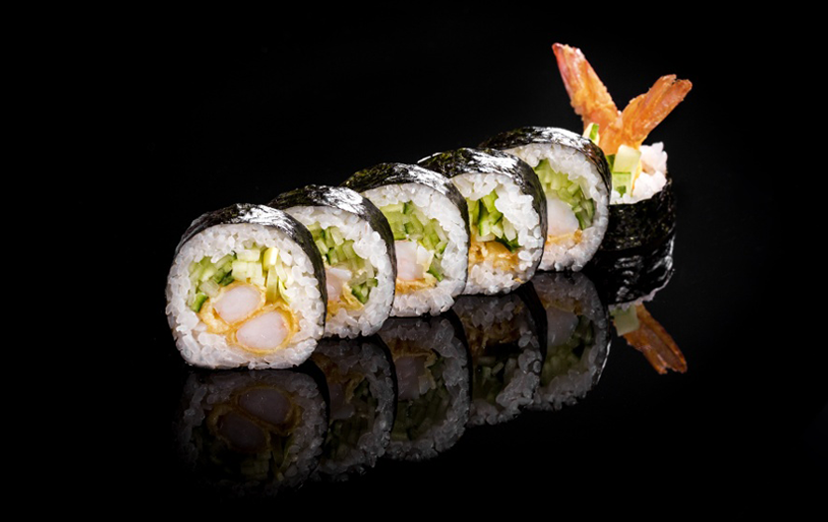
According to doctors and researchers, sushi can involve health risks that consumers may not always be aware of.
Understanding these risks helps us be more careful. That is why we are discussing them in this short guide, shared by Marco Togni, an Italian living in Japan who helps people discover the country.
From personal experience
I heard about a serious case of food poisoning affecting 146 people at a village festival in Trentino. Do you know what caused it? A meat barbecue! Does that mean you will never eat barbecue food again? I do not think so.
I live in Tokyo, Japan, and have eaten sushi hundreds of times in both Italy and Japan. I have also made it at home using raw fish bought from fishmongers in Italy. I have never had a problem, nor have I personally heard from anyone who has had a problem with sushi.
These are the rules I suggest remembering:
NEVER eat raw freshwater fish in Italy;
NEVER eat raw or merely marinated oily fish in Italy, such as anchovies, sardines or mackerel. Marinating does NOT kill parasites.
To make sushi at home, go to a fishmonger and ask for fish suitable for eating raw. They will provide their best suitable fish and confirm whether it can be eaten raw. Ask whether further freezing treatment is required.
AVOID raw farmed fish and prefer wild-caught fish.
AVOID sushi in restaurants in Italy that do not inspire confidence.
Following these simple rules is the author’s advice for avoiding problems.
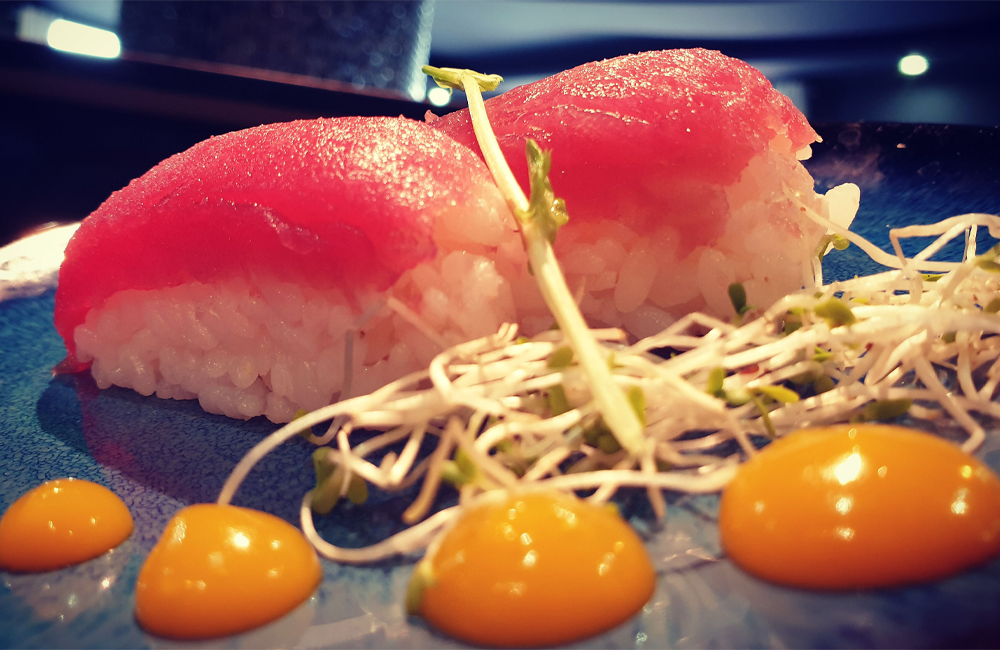 Aenean ut eros et nisl sagittis vestibulum
What is sushi?
Sushi is one of the best-known specialities of Japanese cuisine, with more and more enthusiasts around the world. It has become a widespread trend, and Japanese restaurants can now be found throughout our cities.
Many people associate sushi with raw fish, but that is only partly true. Sushi combines fish with seasoned rice, while raw fish on its own is called sashimi. There are also versions with cooked fish, such as prawns (ebi) or eel (unagi), and others with no fish at all, using vegetables, chicken or eggs instead.
Sushi is much more than putting fish on rice. Sushi is an art form.
(Jiro Ono).
Nam quam nunc, blandit vel, luctus pulvinar, hendrerit id, lorem. Maecenas nec odio et ante tincidunt tempus. Donec vitae sapien ut libero venenatis faucibus. Nullam quis ante. Etiam sit amet orci eget eros faucibus tincidunt. Duis leo. Sed fringilla mauris sit amet nibh. Donec sodales sagittis magna. Sed consequat, leo eget bibendum sodales, augue velit cursus nunc,
Its delicate flavour, lightness and freshness make sushi suitable for many occasions, from a snack or aperitif to dinner. Unlike some other specialities, sushi often feels like food we can enjoy generously without guilt: its main ingredients are rice, fish and vegetables, so it is easy to assume it is a healthy dish.
